

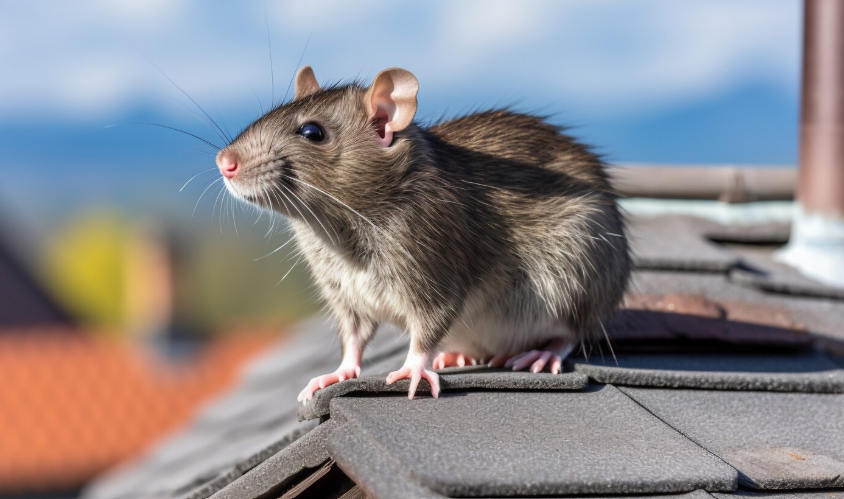
Most people never think about who actually shows up when there's rats in the attic. You just kind of picture some anonymous "exterminator" and move on with your day. But there's a real job behind that, with actual skill involved, and a big chunk of what these folks do isn't even trapping rats directly, it's figuring out why the rats picked your house in the first place, which more often than not comes down to what's sitting in your attic. Specifically, your insulation.
So today let's cover two things that connect more than you'd expect. What it's actually like doing wildlife removal technician jobs for a living, and why rat proof insulation ends up being such a central part of that work.
Why Insulation Is Basically Rat Bait
Rats need three things to settle somewhere. Food, water, and warm, quiet shelter. Standard attic insulation checks that shelter box perfectly. It's soft, it's undisturbed most of the year, and it's warm enough to raise a litter comfortably without anyone bothering them. Fiberglass batts especially are just easy pickings — soft enough to tunnel through, easy to shred apart for nesting material, no real deterrent built in at all.
This is honestly one of the first things an experienced technician checks when they show up to a rat problem. Not just "where are the rats," but "what's making this attic so appealing to begin with." And nine times out of ten, standard insulation is a big part of the answer.
What Rat Proof Insulation Actually Changes
Calling something completely "rat proof" is a bit of a stretch honestly — if a rat's determined enough and there's an open gap somewhere, nothing's fully immune. But some materials make things a lot harder for them. Closed-cell spray foam is probably the toughest option, since it cures into a solid, rigid barrier rather than staying fluffy and easy to chew through. Borate-treated cellulose is another smart pick, since the borate is a mineral treatment that messes with a rat's digestion if it tries eating the material, teaching it pretty fast to avoid it. Mineral wool holds up decently too, dense enough that burrowing through it just isn't worth the effort most rats are willing to put in.
A good technician doesn't just remove the current rats and leave. Part of the job, especially after a bad infestation, is recommending whether the insulation needs replacing entirely, since heavily nested-in or urine-soaked insulation isn't something you want left sitting in an attic regardless of whether new rats show up or not.
What The Actual Job Looks Like Day To Day

Alright so here's where it gets interesting for anyone who's actually curious about wildlife removal technician jobs as a career, not just as a service they hire someone for.
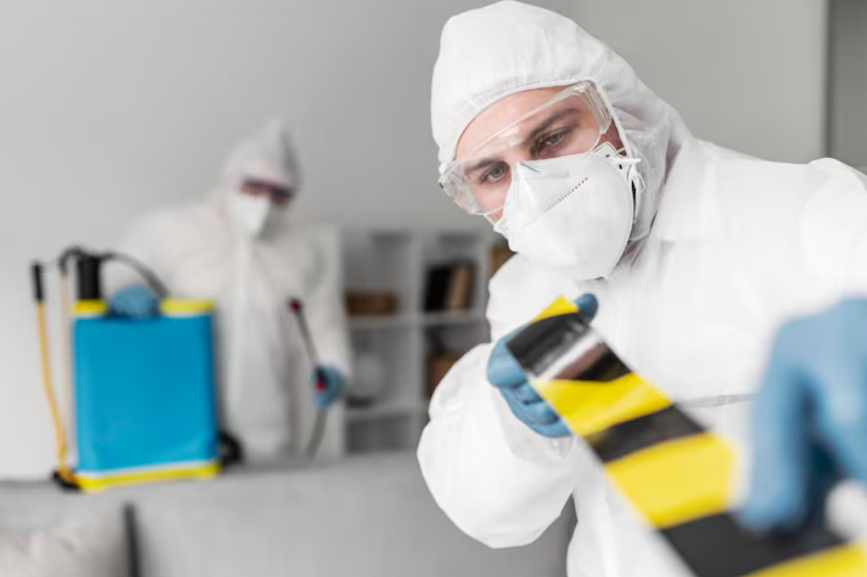
The work is hands-on, no way around it. A typical day might start with a property inspection, checking for entry points around the foundation, pipes, vents, rooflines. Then it's trapping, or setting up exclusion devices depending on the animal involved. After that, sealing up whatever gaps got found, sometimes minor repair work like patching soffits or reinforcing vent covers. And then there's the insulation piece assessing damage, recommending whether replacement makes sense, and sometimes actually doing the reinstall with more rat resistant materials if the homeowner wants that upgrade.
It's messy work sometimes, honestly. You're dealing with attics that haven't been touched in years, sometimes genuinely gross conditions where rodents have been established a while. Not glamorous. But there's something satisfying about it too — you show up to a genuinely stressed out homeowner, fix an actual problem, and leave having solved something real instead of just talking about solving it.
Skills That Actually Matter For This Work
Here's the thing that surprises people who are considering wildlife removal technician jobs — you don't usually need some fancy degree to get started. Most training happens on the job, learning from someone more experienced. What actually matters more is physical stamina, since you're climbing into hot attics and cramped crawl spaces regularly. A level head helps too, since animals don't always cooperate and sometimes things get a little chaotic before they calm down.
Understanding materials matters more than people expect too, honestly. Knowing the difference between standard fiberglass and something like rat proof insulation, being able to explain to a homeowner why one option makes more sense than another for their specific situation, that's a real skill that develops with experience on the job. It's part sales, part education, part just genuinely caring whether the fix actually holds up long term.
Why This Career Path Is Actually In Demand
Rodent problems aren't going anywhere, unfortunately. As long as there's houses with attics and rats looking for warm, quiet shelter, there's steady demand for people who can handle both the removal side and the prevention side properly. That includes knowing when standard insulation is fine and when it's genuinely worth upgrading to something more rat resistant given a property's history or location.
Companies looking to fill wildlife removal technician jobs are often looking for people willing to learn, get their hands dirty, and take the insulation and prevention side seriously rather than just treating removal as a quick catch-and-leave job. That attention to the full picture not just trapping rats but understanding why they showed up tends to be what separates a decent technician from a really good one.
The Two Sides Connect More Than People Realize
Homeowners dealing with rat problems want more than just the current rats gone. They want to know it won't happen again, and that usually means addressing insulation along with sealing entry points. And for someone in wildlife removal technician jobs, being able to speak confidently about materials like rat proof insulation, why it matters, and when it's worth the investment, genuinely makes you better at the job and more valuable to the company you work for.
Conclusion

Rats show up because your attic offers everything they need, and standard insulation is honestly a big part of that appeal. Rat proof insulation options exist and genuinely help, but they work best paired with proper entry point sealing, which is exactly the kind of full-picture thinking that separates good wildlife removal technician jobs from ones that just do a rushed, incomplete fix.
If you're dealing with rats right now and want the insulation situation addressed properly too, or you're actually curious about getting into this line of work yourself, reach out to Elite Wildlife Services. They handle both sides of this the right way, and they're worth a conversation whether you need the help or you're looking to provide it.
FAQs
1. Does rat proof insulation actually stop rats completely on its own?
Not entirely, no. It makes nesting and chewing a lot harder, but if entry points elsewhere in the house aren't sealed, rats will still find a way in through those instead.
2. What does a wildlife removal technician actually do beyond trapping animals?
A lot more than people expect. Inspecting for entry points, sealing gaps, sometimes minor structural repairs, and assessing whether insulation needs replacing or upgrading to something more pest resistant.
3. Do wildlife removal technician jobs require a specific degree or certification?
Usually not. Most training happens hands-on with the company you work for. Physical stamina, comfort in tight or hot spaces, and a level head around uncooperative animals matter more than formal education.
4. Is it worth replacing insulation after a rat infestation even if the rats are gone?
Generally yes. Heavily nested-in or urine-soaked insulation isn't great to leave in place, and upgrading to something more rat resistant can help prevent a repeat problem down the road.


Write a comment ...