

I get asked about this constantly from people trying to figure out if upgrading their attic insulation is actually worth the money, or if it's mostly a marketing thing. Fair question. There's a lot of noise out there, so let's actually break down what this material does, what it doesn't do, and why squirrel removal situations end up connecting to this topic more than you'd expect.
What This Material Is Actually Made Of
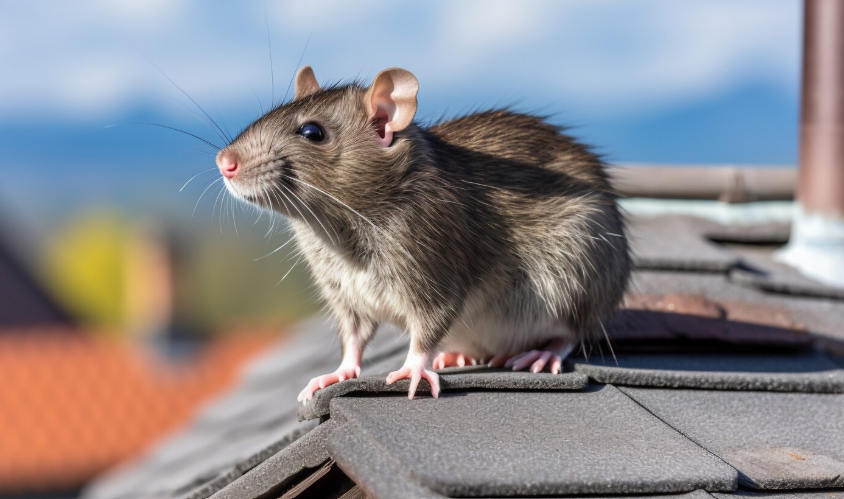
Rat proof insulation generally refers to material that's denser, tougher, or specifically treated to make it harder and less appealing for rodents to chew through and nest in. This can include certain rigid foam boards, treated cellulose products, or mineral wool options that don't offer the same soft, easy-to-shred texture that standard fiberglass batting does. The goal isn't creating something completely indestructible, it's raising the difficulty enough that most rodents give up and look elsewhere.
It's worth being upfront that no material is truly impossible to chew through given enough time and motivation. But the practical difference in real-world outcomes between standard and rodent resistant options is genuinely significant.
Why Standard Insulation Is Such An Easy Target
Regular fiberglass batting is soft, warm, and simple to tear apart, which honestly makes it close to ideal nesting material from a rodent's perspective. Once any animal gets into an attic with this kind of insulation sitting there, there's very little discouraging them from immediately settling in and starting to build a nest. This is part of why standard insulation, while cheap and effective for temperature regulation, doesn't offer any real resistance once wildlife activity starts.
The problem compounds over time too, since one successful nesting attempt often means more contamination and structural weakening the longer it goes unaddressed.
Rats Aren't The Only Animal This Matters For
Here's where things connect to a topic people don't always think about together — squirrel removal situations run into a very similar issue. Squirrels are bigger and stronger than rats, so they cause more aggressive destruction, but the underlying appeal of soft, easy-to-manipulate insulation applies to them too. A lot of the same density and texture properties that discourage rats also make nesting less appealing for squirrels, even though squirrels can still tear through things that would completely stop a rat.
This overlap means upgrading insulation isn't just a rat-specific decision. It genuinely helps across a broader range of potential wildlife issues, which makes the investment feel more worthwhile when you consider the full picture rather than just one species.
Squirrel Removal Situations Highlight Insulation Weaknesses Fast
When squirrels get into an attic, the resulting insulation damage tends to be more dramatic and immediate compared to a slower building rat problem. Large torn sections, outdoor debris mixed into the mess, and significant matting are pretty typical after squirrel activity. This often forces homeowners to confront insulation replacement decisions sooner than they might with a rat situation that's been slowly developing.
If you've recently gone through squirrel removal, that's honestly a natural moment to reassess your insulation choice, since you're already dealing with damaged material and facing a replacement decision regardless.
Density And Texture Matter More Than Brand Names

A lot of shopping confusion comes from people comparing products based on marketing claims rather than understanding what actually makes insulation harder to chew through and nest in. Denser materials, tighter fiber structures, and certain treated additives are what genuinely make a difference, not whatever branding language happens to be printed on the packaging. Understanding this helps you evaluate options more accurately instead of just picking whatever's marketed most aggressively as rodent resistant.
Asking specific questions about density and composition when researching options tends to give you a much clearer picture than relying purely on product descriptions alone.
Sealing Entry Points Still Comes First
I want to be really clear about this — insulation alone does nothing to stop an animal from physically getting into your attic in the first place. A squirrel strong enough to tear through a weak vent cover doesn't care what kind of insulation is waiting inside once it's in. Sealing needs to happen as its own dedicated step, using materials tough enough to withstand whatever animal you're dealing with, before insulation choice even becomes relevant to the equation.
This sequencing matters a lot. Upgrading insulation without addressing entry points is honestly just addressing half the problem while leaving the actual access issue completely unresolved.
Cost Considerations For Making This Decision
Rodent resistant insulation costs more upfront, sometimes considerably depending on the material chosen and the size of the space involved. This is a real factor, especially for larger attics where the price difference adds up substantially across the whole project. But weighing that against the cost of repeated wildlife removal calls, including things like squirrel removal which tends to come with a bigger cleanup bill given the extent of typical squirrel damage, the math often favors the upgraded material over time.
For homes with any history of wildlife activity, whether rats, squirrels, or both, the investment tends to pay for itself by breaking the cycle of repeat infestations and repair costs.
Existing Contamination Needs To Go First
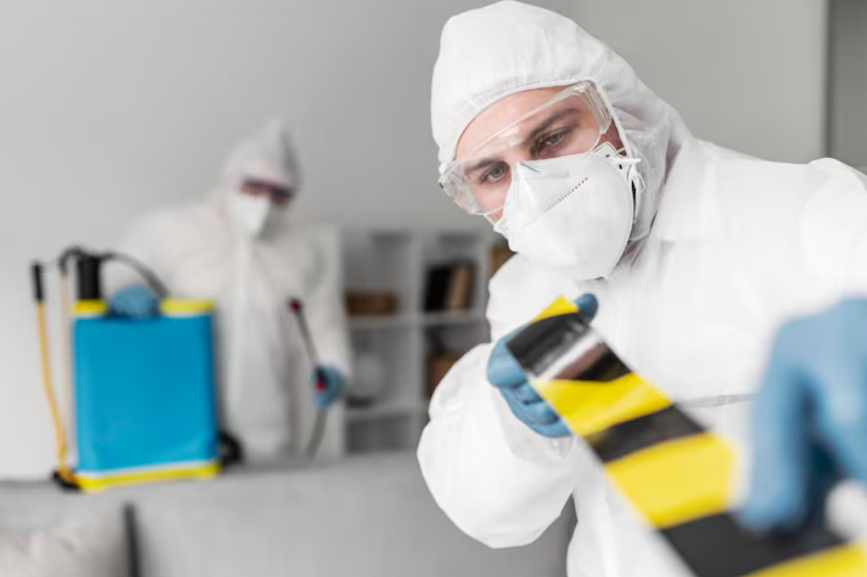
If you've already dealt with a rat or squirrel problem and the current insulation shows signs of damage or contamination, that material needs full removal before anything new gets installed, regardless of which upgraded product you choose. Installing new insulation over old contaminated material is basically pointless and creates ongoing health risks that don't just disappear because there's new material on top.
This step gets skipped sometimes when people are trying to save money, but it genuinely shouldn't be, since it undermines the whole point of upgrading in the first place.
When Full Replacement Makes More Sense Than Spot Fixes
Small, localized damage from an isolated incident might only need spot replacement in that specific area. But if squirrel removal or an extended rat problem has left widespread damage across a large portion of the attic, full replacement is usually the smarter long-term move, even with the higher initial cost. Trying to patch around heavily damaged sections often just delays a bigger expense while leaving lingering odor and health concerns unaddressed in the meantime.
Building A Complete Prevention Approach
The best results genuinely come from combining proper sealing, appropriate insulation upgrades, and periodic inspections that catch small vulnerabilities early before they become bigger infestations. This applies whether you're specifically worried about rats, dealing with the aftermath of squirrel removal, or just trying to be proactive about general wildlife prevention. Skipping any single piece of this usually means dealing with a repeat problem eventually, sometimes from a completely different animal than the one you originally addressed.
Wrapping This Up

Choosing the right insulation matters more than most homeowners realize, and the benefits genuinely extend beyond just rat prevention into broader wildlife resistance including squirrels. Pairing a smart material choice with proper sealing and addressing any existing contamination gives you the strongest long-term protection rather than just a partial fix. If you're not sure what your attic actually needs or you're recovering from a wildlife problem right now, Elite Wildlife Services can take a proper look and recommend an approach that fits your specific situation instead of a generic one-size-fits-all answer.
FAQs
Will rat proof insulation stop squirrels from causing damage too?
It helps discourage nesting to some degree since the material is generally harder to manipulate, but squirrels are strong enough that it's not a guaranteed barrier on its own. It works best combined with proper sealing rather than relied on as a standalone squirrel solution.
How much more does rodent resistant insulation typically cost?
It varies by product and attic size, but expect a noticeable increase over standard fiberglass, sometimes significantly depending on the specific material chosen. Many homeowners find it pays off over time by reducing repeat wildlife issues and associated repair costs.
Should I upgrade insulation right after squirrel removal or wait?
It's usually best to handle it soon after, especially if the existing insulation is already damaged from the squirrel activity, since you're addressing the removal and cleanup at the same time anyway. Waiting just means dealing with compromised insulation for longer than necessary.
Is it worth upgrading insulation if I've never had a wildlife problem?
It can be a smart preventive move, especially in areas with a lot of tree cover or a known history of rodent and squirrel activity nearby. For lower risk homes it's more of a judgment call, but for anyone who's dealt with wildlife issues before, it's generally a worthwhile investment.


Write a comment ...